





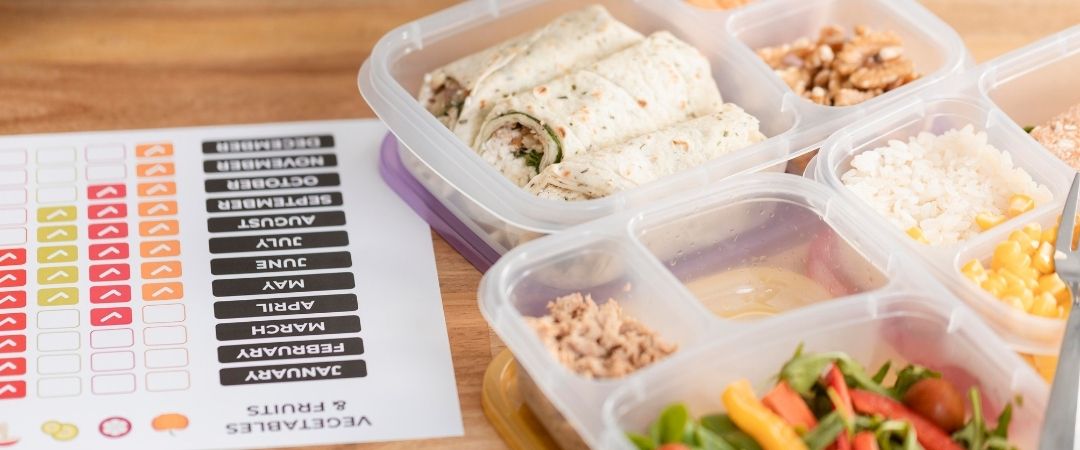

The meal kit category has a churn problem that no amount of recipe innovation fixes. Subscribers sign up with genuine enthusiasm, receive two or three boxes, and then quietly cancel. The food is not the reason they leave. The support experience usually is.
Meal kit customer retention sits at 12.7% monthly churn, the highest of any subscription category according to Focus Digital’s 2025 analysis. Half of subscribers cancel within the first month. Only 20% remain after six months. For a grocery and food brand spending heavily on acquisition through paid social, influencer programs, and discount-first trial offers, losing customers this fast makes the unit economics unsustainable. The fix is not a better recipe. It is a better support operation.
Why Meal Kit Churn Is a Support Problem, Not a Product Problem
Most meal kit brands diagnose their churn problem as a product or price issue. That diagnosis is wrong for the majority of cancellations. Research from RMS Omega found that beyond cost, the primary driver of cancellations is service dissatisfaction, fulfillment errors, communication failures, and slow response times. A well-run customer service operation resolves these on first contact.
A subscriber who opens a box with a missing ingredient and hears nothing from the brand has not experienced a product failure. They left because nobody tried to keep them.
Four specific support failures recur across meal kit brands of all sizes.
- Missing or wrong ingredients with no outbound notification: Fulfillment errors happen in every operation. The retention damage comes from silence. Proactive order management and tracking capability prevents this contact from arriving at all.
- Delivery delays without proactive communication: A subscriber watching a tracker go quiet on Thursday evening contacts support out of anxiety. That contact was entirely preventable.
- Cancellation requests processed without a retention attempt: Every cancellation contact is a live retention opportunity. Most brands let it pass without a single trained response.
- Billing queries handled slowly or inaccurately: A subscriber waiting 48 hours for a billing resolution frequently cancels before it arrives.
The patterns that lead to silent cancellation are covered in our guide on retail silent churn detection and prevention, and they apply directly to the meal kit subscriber lifecycle.
The Four Moments Where Meal Kit Customer Retention Is Actually Decided
Meal kit customer retention is not determined by overall satisfaction scores. Four specific high-stakes moments determine it. Miss them and the subscriber churns. Handle them well and they stay significantly longer than industry benchmarks suggest.
The first delivery window
The first box sets the subscriber’s benchmark for everything that follows. A missing ingredient, an unclear preparation guide, or a late delivery with no communication creates an impression the brand rarely recovers from. A specialist support team runs proactive outreach after the first delivery, confirming satisfaction and resolving any issues before doubt forms. Most in-house teams lack the capacity to run this outreach at the volume a growing meal kit brand needs.
The cancellation contact
When a subscriber contacts support to cancel, the outcome depends entirely on the next three minutes. A generic agent who processes the cancellation loses the subscriber permanently. A trained retention specialist identifies the reason, acknowledges it, and presents a relevant alternative, a pause, a reduced frequency, a smaller box, a temporary credit. Industry data shows that skilled retention agents convert a significant proportion of cancellation requests into retained subscriptions. Our breakdown of subscription churn reduction services covers how specialist teams build around exactly this moment.
The billing dispute
Billing contacts carry disproportionate churn risk in subscription food businesses. A subscriber who receives a slow, uncertain response to an unexpected charge cancels before resolution arrives. A fast, accurate resolution with a small goodwill gesture converts that high-risk contact into a loyalty-reinforcing moment. The difference is whether the agent has live billing system access and the authority to resolve on first contact.
The repeat complaint
A subscriber who contacts support twice about the same issue signals imminent departure. Most meal kit operations do not systematically identify repeat complainants. A specialist outsourced team flags these contacts, escalates them to a retention specialist, and initiates a proactive outbound call before the silent cancellation follows. Our guide on retail churn prevention with proactive customer engagement explains how this early intervention model works across subscription retail categories.
What a Specialist Outsourced Operation Delivers for Meal Kit Customer Retention
A consumer packaged goods or food brand that manages meal kit customer retention with a generalist in-house team faces a structural disadvantage. The volume of retention-critical contacts, combined with the need for proactive outreach, subscription platform access, and trained cancellation interception, exceeds what most internal teams can deliver consistently at scale.
A specialist retail BPO for food brands changes the operational picture in five specific ways.
- Proactive first-delivery outreach: Agents contact new subscribers after the first box to confirm satisfaction before any complaints form. This single intervention measurably reduces early churn.
- Trained cancellation interception: A retention-trained agent handles every cancellation contact with a defined reason-identification framework and a menu of offers matched to the subscriber’s specific concern. No cancellation processes without a retention attempt.
- Billing accuracy on first contact: Agents with live access to the subscription management system resolve billing queries accurately in a single interaction. The friction that drives cancellation disappears.
- Fulfillment error management with resolution authority: Agents resolve missing or incorrect ingredient contacts immediately, issuing credits or replacements without escalation delay. Proactive outreach on known fulfillment issues deflects contacts before they arrive.
- Repeat contact identification and recovery: Our AI QMS capability monitors 100% of interactions and flags every subscriber who contacts more than once about the same issue. A proactive retention call follows before the silent cancellation occurs.
This is what food delivery customer service outsourcing looks like when it builds around retention outcomes rather than contact volume metrics. The loyalty lift that retail customer retention outsourcing delivers applies as powerfully to meal kit subscribers as it does to any other high-frequency DTC category. For more on the customer retention and acquisition service model, read our dedicated service page.
The Subscription Flexibility Advantage Most Brands Underuse
One of the most effective meal kit customer retention tools is subscription flexibility. The ability to pause, skip, reduce frequency, or customise box size gives at-risk subscribers a path that is not cancellation. Research from EasyRoutes’ meal kit industry analysis confirmed that flexible subscription options directly enhance retention by removing the binary choice between full subscription and exit.

A specialist outsourced support team presents these options fluently during every at-risk contact. In-house agents present them inconsistently. That means the retention rate on at-risk contacts varies by which agent answers the call, not by the subscriber’s actual intention to leave.
Pairing subscription flexibility with a well-managed loyalty subscription programme creates a compounding retention effect. Subscribers who are both flexible-plan eligible and loyalty-engaged cancel at significantly lower rates than transactional subscribers. Our breakdown of sports and wellness subscription management to reduce churn demonstrates how this model transfers across high-frequency DTC subscription businesses.
What to Look for When Evaluating a Meal Kit Retention BPO Partner
Meal kit customer retention performance depends on the outsourcing partner as much as the product. A generic retail BPO services operation handles cancellation contacts as administrative tasks. A specialist food and grocery CX outsourcing team treats every cancellation contact as a commercial recovery opportunity. Three criteria separate them clearly.
Integration, training and outreach
Subscription platform integration comes first. The support team needs live access to the subscription management system, order history, delivery record, pause history, billing status, in a single screen before any retention conversation begins. Without that visibility, agents cannot make informed offers.
Retention-specific training comes second. Ask whether the partner has a defined cancellation interception workflow and what their conversion rate on at-risk contacts is. A retail BPO outsourcing partner that cannot answer with specific data has not built a retention-focused operation.
Proactive outreach capability comes third. The strongest meal kit customer retention operations monitor engagement signals, skipped boxes, no app logins, billing errors, and run outbound retention calls before the cancellation request arrives. Our multilingual capability ensures retention conversations happen in the subscriber’s preferred language, which carries measurable impact on conversion rates for US brands serving bilingual customer bases.
Delivery model for US meal kit brands
For US brands, nearshore delivery from Colombia and Belize provides timezone alignment and English-Spanish bilingual capability for evening and weekend retention work. Philippines-based offshore teams handle overnight back office processing and quality review alongside the nearshore real-time retention operation.
The full evaluation criteria for choosing the right retail contact center partner apply directly to meal kit BPO selection. Meal kit brands evaluating partners now for a June ramp should also review the onboarding timeline guidance in our retail BPO onboarding before peak season guide, the window is narrowing.
How a food delivery marketplace held 93% CSAT through high-volume order surges.
One specialist retail CX outsourcing services provider building dedicated subscription retention operations for food and grocery ecommerce brands is this food and grocery CX outsourcing partner, with meal kit-specific cancellation interception protocols, subscription platform integration, and proactive outreach capability built into the standard operating model.
The Brands Growing in Meal Kits Solved the Retention Problem Operationally
The food subscription market grows from $6.74 billion in 2026 to $14.42 billion by 2032, according to Fortune Business Insights. The brands capturing that growth are not the ones with the best recipes. They are the ones that treated meal kit customer retention as an operational discipline rather than a product variable.
The four retention moments, first delivery, cancellation contact, billing dispute, repeat complaint, happen in every meal kit operation. What varies is whether a trained retention specialist handles them or a generalist agent processes them. Crucially, that difference compounds across thousands of monthly subscriber contacts into a retention rate gap that determines whether the unit economics work.
Brands that apply the same model to adjacent categories see it work consistently. Our guide on customer win-back services and recovering revenue after churn shows how the same proactive retention approach recovers lapsed subscribers across subscription and repeat-purchase retail categories.
Meal kit customer retention is not a product problem, a price problem, or a marketing problem. It is a support operations problem, and it is entirely solvable.
It’s a dynamic worth watching alongside how brands approach portuguese language call center, a topic we unpack in Expanding Into Portuguese-Speaking Markets? Build Customer Service Around the Customer, Not Just the Language.
ServeRetail builds outsourced customer service operations for food and grocery ecommerce brands that protect subscription revenue and keep subscribers longer. Get in touch to discuss what a retention-focused meal kit support operation looks like for your brand.