






Peak pressure rarely arrives without warning. For many U.S. ecommerce brands, the first signs appear as missed calls, slower replies, unresolved order questions, delayed refund updates, and support queues that start growing before the busiest sales period begins.
That is where retail peak season outsourcing becomes a practical decision, not just a staffing option. When customers need answers before buying, changing an order, tracking a delivery, or requesting a return, the cost of delayed support can show up as missed orders, abandoned carts, repeat contacts, negative reviews, and lost repeat purchases.
Retailers do not need to wait until the backlog becomes unmanageable. The better move is to identify where support demand is already rising and decide whether retail customer service outsourcing can help close the gap before peak demand puts more pressure on the team.
Why Missed Calls Become Missed Revenue for Retailers
Missed calls are rarely just missed conversations. In retail, they often happen when a shopper is ready to act. A customer may want help completing a purchase, confirming product availability, changing a delivery address, resolving a payment issue, or asking whether an item will arrive on time.
When missed customer inquiries go unanswered, the buyer may not wait. They may leave the site, buy from another seller, send multiple messages, or contact a marketplace directly. For retail customer support teams, this creates a support coverage gap that affects both service quality and revenue.
This is especially important for online retailers because customer support can influence conversion before and after checkout. ServeRetail has covered this relationship in its article on how customer support impacts ecommerce conversion rates. Before peak demand, that connection becomes even more important because every delayed answer can affect buying confidence.
The Support Pressure That Builds Before Peak Demand
Peak demand does not begin on the first day of a holiday campaign or promotional event. It builds earlier as customers browse more, compare more, ask more questions, and place more time-sensitive orders. U.S. ecommerce brands often feel the pressure first in customer service capacity, not fulfillment.
A support backlog may begin with small delays. A few more order-status tickets. A few more delivery questions. A few more return-policy inquiries. A few more messages from marketplace buyers. Then the team starts the next day behind, agents rush responses, and supervisors spend more time managing escalations.
That is why peak season support should start before volume reaches its highest point. ServeRetail’s blog on scaling ecommerce customer service explains how growth can expose weak spots in support operations. The same problem becomes sharper when seasonal demand, marketing campaigns, and delivery pressure arrive together.
What Retailers Should Outsource First Before Peak Season
Retailers do not need to outsource every customer-service workflow at once. The best starting point is usually the work that creates the most repeat contacts, delays, and customer frustration before peak demand. For many online brands, ecommerce customer service outsourcing works best when it begins with high-volume, clearly defined support tasks.
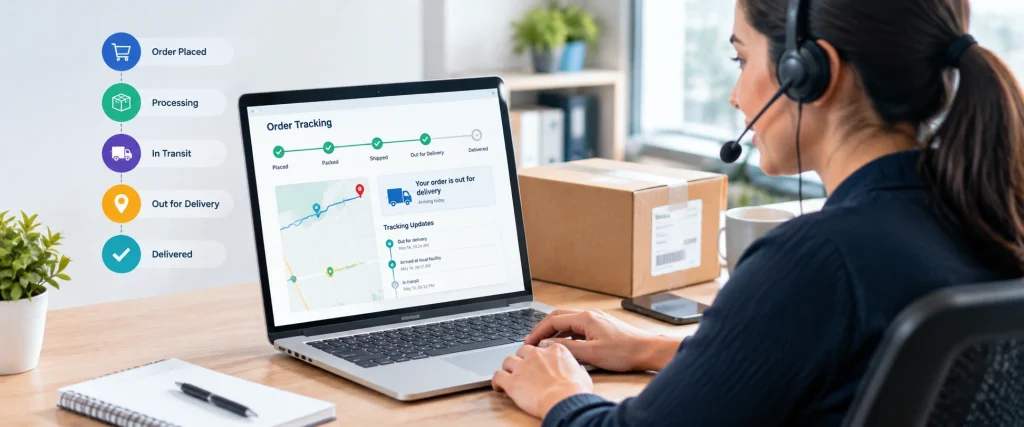
Those tasks often include order status, address changes, delivery support, returns support, refund support, marketplace messages, and basic product inquiries. Ecommerce customer support outsourcing can also help reduce WISMO tickets before they consume the internal team’s time.
A practical support plan may include:
- order status and tracking questions;
- delivery updates and address correction requests;
- return and exchange inquiries;
- refund follow-ups;
- marketplace buyer messages;
- product availability questions;
- escalation routing for urgent or policy-sensitive cases.
ServeRetail’s article on ecommerce order tracking services gives more context on why WISMO support can become a major pressure point. During peak periods, even simple tracking questions can create serious queue volume if they are not handled quickly.
When Retail Peak Season Outsourcing Makes Sense
Retail peak season outsourcing makes sense when a retailer can see the pressure coming but cannot hire, train, schedule, and manage enough internal support capacity in time. It is especially useful when demand is growing across multiple channels, and the internal team is already working near its limit.
This is not only about adding agents. It is about adding the right coverage model. Retailers may need overflow support during promotions, evening coverage when shoppers contact support after work, weekend coverage during sales events, or extra support for marketplace response windows.

Customer support outsourcing can help when the business sees rising response times, more missed customer inquiries, more repeated tickets, or more unresolved order questions. Retail call center outsourcing can also support voice-heavy programs where missed calls directly affect revenue, retention, or customer confidence.
The decision should come before service levels fall. Once customers begin noticing delays, the brand is already reacting instead of preparing.
Why Outsourcing Should Not Mean Losing Brand Control
Some retail leaders hesitate because they worry that outsourcing will weaken brand voice, service quality, or customer trust. That concern is valid. Poorly managed outsourcing can create inconsistent answers, weak documentation, and unnecessary escalations.
However, strong retail customer service outsourcing should work differently. The partner should follow the brand’s policies, tone guidelines, knowledge base, escalation rules, QA standards, and reporting requirements. The goal is not to replace the brand’s service identity. The goal is to protect it when volume rises.
Retail BPO services should also give leaders visibility into customer experience KPIs such as response time, resolution quality, escalation rate, backlog volume, CSAT, and contact reasons. ServeRetail’s guide to KPIs for an ecommerce customer support team is useful here because peak support should still be measured with discipline. Faster response times only matter when the answers are accurate, helpful, and aligned with policy.
What a Peak-Ready Retail Support Model Should Include
A peak-ready model should connect customer-facing support with the workflows that usually create pressure during busy periods. Ecommerce support services should not operate separately from order tracking, returns, refunds, marketplace support, and escalation management.
This is where order management outsourcing, returns and refunds processing outsourcing, and marketplace support should connect to the same service strategy. A retailer may not need a separate vendor for every workflow. It needs a support model that keeps customer questions moving before peak pressure turns into lost revenue.
The Risk of Waiting Until the Backlog Is Visible
By the time a support backlog is visible to leadership, customers may already be feeling the delay. First response time may be slipping. Agents may be rushing through conversations. Refund follow-ups may be taking longer. Order questions may be turning into cancellations. Missed orders may already be affecting revenue.
Waiting also reduces the retailer’s ability to train properly. Seasonal agents need systems access, brand guidance, workflow instructions, escalation rules, and QA feedback before they can perform well. A rushed ramp can create more errors at exactly the time customers expect faster answers.
ServeRetail’s article on the retail BPO ramp timeline explains why timing matters. If a retailer waits until the queue is already overwhelmed, it may still get extra people, but it may not get the stable service quality it needs.
How ServeRetail Helps U.S. Ecommerce Brands Prepare
ServeRetail helps U.S. ecommerce brands prepare support operations around actual demand patterns, not guesswork. That can include retail customer service outsourcing, ecommerce customer service outsourcing, order tracking, returns, refund follow-ups, marketplace inquiries, product questions, delivery updates, and escalation routing.
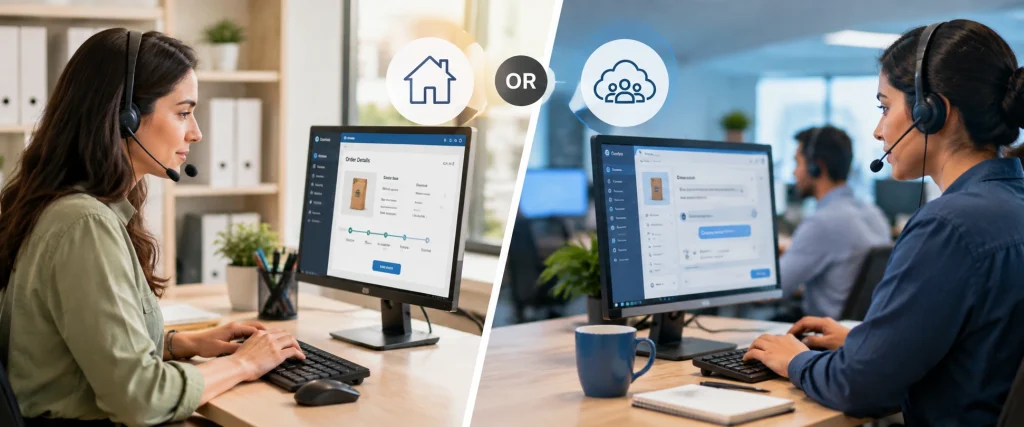
For brands evaluating retail BPO outsourcing, ServeRetail can help design a seasonal support ramp that matches volume, channels, workflows, and customer expectations. The model may include dedicated agents, shared coverage, overflow support, or a phased approach that expands as peak demand gets closer.
The goal is not simply to add headcount. It is to protect customer service capacity where the brand is most likely to lose revenue, trust, or operational control. A well-built outsourced retail support team should help reduce retail support gaps before they become customer-facing problems.
Before Peak Demand Hits, Fix the Support Gaps Customers Already Feel
Peak demand does not create every support problem. It exposes the gaps that already exist. If the team is missing calls, losing order questions, carrying weekend tickets into Monday, or struggling to keep up with delivery and return inquiries, the brand already has a capacity issue.
Retail peak season outsourcing can help retailers address those gaps before customers feel the full impact. The right model should support ecommerce customer service outsourcing, order management, WISMO handling, returns, refunds, marketplace messages, and escalation routing without forcing the business into a last-minute hiring scramble.
That challenge shows up elsewhere too \u2014 see Ecommerce Chargeback Management Outsourcing: A 2026 Playbook for Retail Brands.
A related angle on this is covered in Why Health & Wellness Brands Are Rebuilding Customer Support for Summer Demand Peaks.
This connects to a related piece: Building Beauty Ecommerce Customer Service for Summer Returns and Subscription Pressure.
For retailers preparing for holiday, promotional, marketplace, or seasonal volume, the best time to review support capacity is before the pressure peaks. Assess Your Retail Support Gaps
Frequently Asked Questions
What is retail peak season outsourcing?
Retail peak season outsourcing is the use of an outsourced support team to help retailers manage higher customer-service demand before or during busy sales periods. It can include order support, delivery questions, returns, refunds, marketplace messages, WISMO tickets, and overflow inquiries.
When should U.S. ecommerce brands outsource customer support before peak season?
U.S. ecommerce brands should consider outsourcing when response times slow, the support backlog grows, missed customer inquiries increase, or the internal team cannot hire and train fast enough before peak demand.
What support tasks should retailers outsource first?
Retailers should usually start with high-volume and repeatable tasks such as order tracking, delivery questions, WISMO tickets, returns support, refund support, marketplace buyer messages, and escalation routing.
Is outsourcing better than hiring seasonal retail agents?
It depends on volume, timeline, complexity, and management capacity. Outsourcing can work better when the retailer needs flexible support coverage quickly, while internal hiring may work better for stable, predictable, and highly specialized support needs.
How does outsourcing help reduce missed calls and missed orders?
Outsourcing adds trained support capacity before demand spikes. That helps customers get answers sooner, reduces queue pressure, and lowers the risk that shoppers abandon, cancel, or contact competitors because support is unavailable.