






Retail customers do not stop asking questions when the internal support team signs off for the day. They check delivery updates after work, request order changes late at night, send return questions over the weekend, and expect answers before the issue becomes harder to fix.
That creates a practical decision for retail leaders: should the business hire an internal night shift, or should it use after-hours retail support outsourcing to cover evenings, weekends, holidays, and overflow periods?
The answer is not the same for every retailer. A large brand with heavy overnight volume may justify a full in-house team. A growing ecommerce brand with inconsistent evening and weekend demand may find that outsourcing delivers better coverage without the fixed cost of night-shift staffing. The right choice depends on contact volume, issue complexity, customer expectations, and the cost of keeping support available when shoppers need help most.
Why Retailers Feel the After-Hours Support Gap First
After-hours support becomes important when customer demand no longer matches business hours. This is especially common for ecommerce brands, marketplace sellers, subscription retailers, home goods companies, beauty brands, apparel retailers, and consumer electronics businesses.
A customer may place an order at 10 p.m. and immediately realize the shipping address is wrong. Another shopper may receive a delivery delay notification on Saturday and want an answer before Monday. A marketplace buyer may send a message outside business hours and expect a response before the platform’s response-time clock affects seller performance.
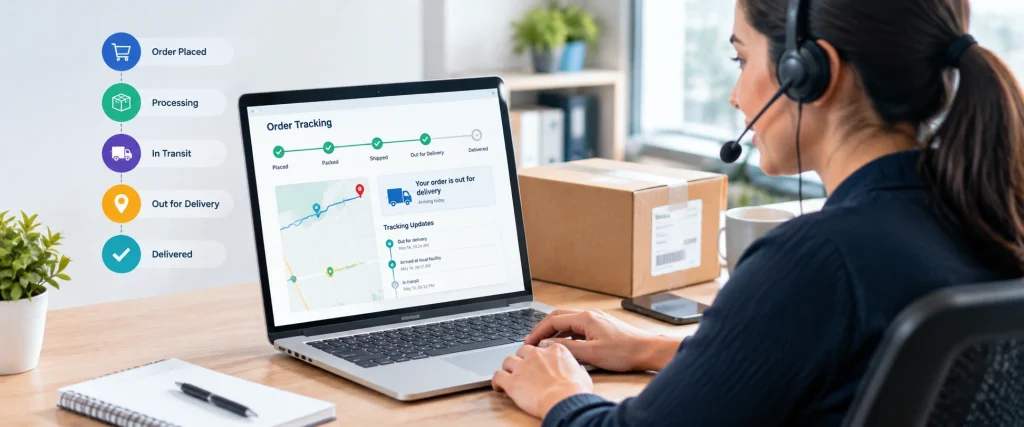
These are not always complex issues. However, they are time-sensitive. Common after-hours customer support needs include delivery questions after hours, order-status checks, payment concerns, refund follow-ups, account questions, and WISMO support. When no one responds, customers may cancel, submit duplicate tickets, open marketplace disputes, or contact a competitor that answers faster.
ServeRetail has already covered how WISMO can strain ecommerce operations in its guide to ecommerce order tracking services. After-hours coverage extends that same logic into the evening, overnight, weekend, and holiday windows where support gaps often grow quietly.
What an Internal Night Shift Really Costs
An internal night shift can look simple on paper. Hire a few agents, assign overnight hours, and extend customer-service availability. In practice, night shift customer service usually costs more than the wages of the frontline team.
Retailers must account for hiring, onboarding, training, scheduling, supervision, payroll, quality monitoring, workforce management, technology access, security controls, absenteeism, turnover, and management coverage. If the team handles sensitive refunds, payment issues, account changes, or exceptions, the business may also need escalation managers available overnight.
Night shift staffing costs can rise further when demand is uneven. Some nights may bring steady volume. Other nights may bring long idle periods. The retailer still pays for coverage, even when the contact queue is light.
The cost of after-hours support also includes the operational burden placed on managers. Someone must review performance, coach agents, update scripts, monitor service levels, and make sure overnight decisions match daytime policies. If the business does not already run 24/7 operations, this added layer can become difficult to manage.
What After-Hours Retail Support Outsourcing Can Cover
After-hours retail support outsourcing can help retailers cover the customer issues that occur outside normal business hours without immediately building a full internal overnight department.
A well-designed outsourced model can support voice, chat, email, SMS, marketplace messages, helpdesk tickets, and back-office follow-ups. For ecommerce customer service outsourcing, this often includes order status, late-night order cancellations, late-night order changes, delivery updates, address corrections, return questions, refund status, and escalation routing.
For retailers with growing online volume, ecommerce customer support outsourcing can also reduce the Monday backlog. Instead of allowing weekend tickets to pile up, an outsourced after-hours team can resolve routine issues, route exceptions, and document cases before the daytime team returns.
This model can also connect with order management support, returns and refunds support, and marketplace customer support. The best results come when the partner understands the retailer’s systems, policies, escalation rules, refund limits, and brand tone.

Cost Comparison: Night Shift Hiring vs. Outsourced After-Hours Coverage
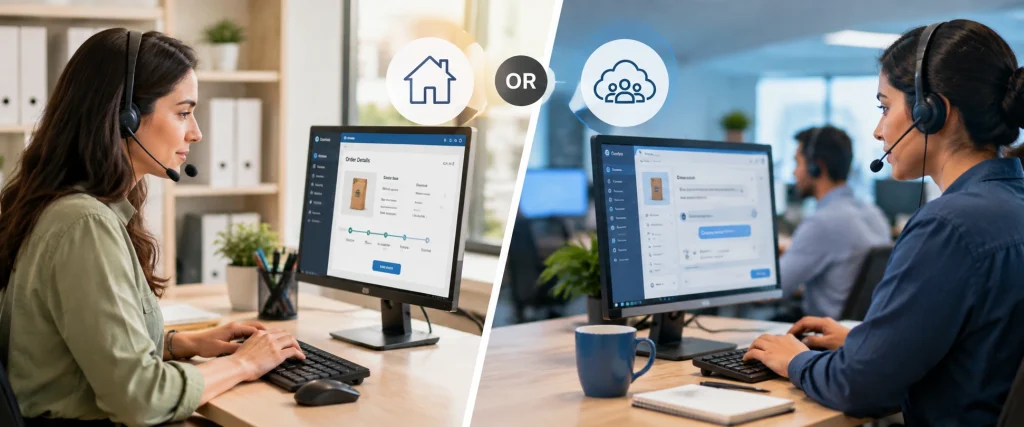
The cost-effective option depends on how much demand the retailer has after hours and how predictable that demand is. A retailer with stable overnight contact volume may benefit from dedicated employees. A retailer with uneven evening, weekend, or seasonal demand may benefit from customer support outsourcing.
| Cost Factor | Internal Night Shift | After-Hours Outsourcing |
|---|---|---|
| Staffing | Requires fixed overnight employees, even during low-volume periods. | Can use shared, dedicated, or hybrid coverage based on demand. |
| Supervision | Needs internal night supervision or on-call management. | Provider can include team leads, QA, and operational oversight. |
| Training | Retailer manages onboarding, refreshers, and policy updates. | Retailer trains the partner, while the partner manages agent readiness. |
| Scalability | Slower to increase or reduce headcount. | Easier to adjust for promotions, holidays, weekends, and overflow support. |
| Cost control | Fixed labor cost can stay high even when volume is low. | Coverage can align more closely with contact patterns and cost per contact. |
| Best fit | High, predictable overnight demand. | Variable, seasonal, growing, or partially predictable after-hours demand. |
Retail call center outsourcing is not automatically cheaper in every scenario. However, it often gives retailers more flexibility when after-hours demand is real but not large enough to justify a full internal team.
When Hiring a Night Shift Makes Sense
An internal night shift can make sense when a retailer has consistent overnight contact volume and enough work to keep agents productive throughout the shift. It may also work better when the support issues require deep internal decision-making, specialized technical knowledge, or direct access to sensitive systems.
For example, a retailer with global operations, high overnight order volume, complex product support, or frequent exception approvals may prefer to control night shift customer service internally. If supervisors, QA teams, and escalation managers already operate around the clock, the additional structure may be easier to absorb.
Internal teams can also help when the brand requires full control over tone, exception handling, or high-value customer service decisions. In those cases, overnight customer support becomes part of the retailer’s core operating model rather than an add-on coverage layer.
When Outsourcing After-Hours Support Makes More Sense
Outsourcing after-hours support makes more sense when the retailer needs reliable coverage but does not have enough predictable volume to justify hiring and managing a full night team.
This is common for brands that receive evening order questions, weekend support tickets, seasonal surges, promotional spikes, marketplace buyer messages, or holiday backlogs. In these situations, after-hours retail support outsourcing can create a more flexible coverage model.
It can also help retailers that already use retail customer service outsourcing during the day and want to extend support without redesigning the entire operation. For ecommerce brands, it can connect naturally with ecommerce customer service outsourcing, order management, returns, refunds, delivery support, and escalation triage.
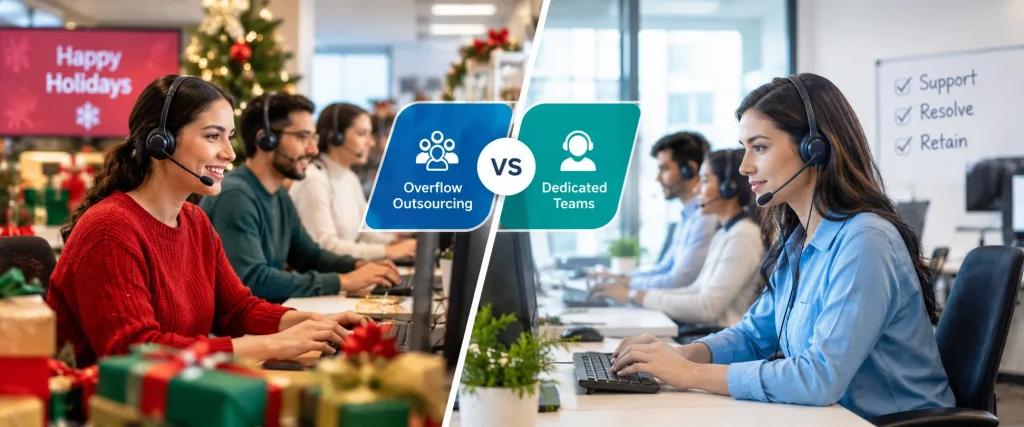
Retailers should also consider outsourcing when after-hours demand increases during peak periods. ServeRetail’s blog on U.S. retail holiday customer service outsourcing explains why waiting too long to plan support capacity can create avoidable pressure before major retail seasons.
The Coverage Model Matters More Than the Label
Retailers should not choose after-hours support only because it sounds cheaper. They should choose the coverage model that matches customer demand, issue complexity, service goals, and budget.
Shared After-Hours Team
A shared after-hours team can work for retailers with lower evening or weekend support volume. This model is useful when the brand needs coverage for routine inquiries, overflow support, simple order questions, and escalation routing, but does not need a fully dedicated overnight staff.
Dedicated After-Hours Team
A dedicated team can work better for brands with higher volume, more complex workflows, or stronger brand-control requirements. This model can support deeper training, stronger product knowledge, and more consistent handling of customer situations.
Hybrid Coverage
A hybrid model allows the retailer to keep core daytime support in-house while using an outsourced partner for evenings, weekends, holidays, or seasonal peaks. This can reduce hiring pressure while still protecting customer experience outside regular business hours.
This is where retail BPO services can support a more practical operating model. The goal is not only to reduce cost. The goal is to match coverage to demand without weakening service quality.
KPIs Retailers Should Track After Hours
Cost-effectiveness should not depend only on payroll comparison. A cheaper model can still hurt the business if customers wait too long, abandon calls, send duplicate tickets, or cancel orders before receiving help.
Retailers should track after-hours response time, first response time, service level after hours, abandonment rate, escalation rate, cost per contact, order-change completion rate, refund follow-up accuracy, and customer satisfaction for after-hours contacts.
ServeRetail’s guide to KPIs for an ecommerce customer support team is a useful supporting resource here. The same discipline should apply after hours because customers still expect speed, clarity, and resolution even when the request arrives at night.
How After-Hours Support Affects Revenue and Retention
After-hours support is not only a service-cost decision. It can affect revenue, repeat purchases, marketplace performance, and customer trust.
When customers cannot reach support after hours, they may abandon a purchase, cancel an order, leave a negative review, dispute a charge, or avoid buying again. This matters even more for retailers that sell through multiple channels, where response delays can affect marketplace metrics and brand reputation.
Support gaps can also create pressure on the daytime team. A weekend backlog may force agents to begin Monday with unresolved tickets, frustrated customers, duplicate contacts, and avoidable escalations. That increases workload and makes service quality harder to protect.
ServeRetail’s article on scaling ecommerce customer service explains how growing order volume can expose support gaps. After-hours coverage is one of the areas where those gaps often appear first.
How ServeRetail Helps Retailers Build Smarter After-Hours Coverage
ServeRetail helps retail and ecommerce brands design support models around real demand patterns rather than guesswork. That can include daytime support, extended-hours support, weekend support, overflow support, and fully structured after-hours customer support.
For brands evaluating retail BPO outsourcing, the right model may include shared coverage, dedicated agents, or a hybrid structure. ServeRetail can support workflows such as order management, WISMO support, returns, refunds, product questions, marketplace messages, delivery updates, and escalation routing.
The same approach also supports broader retail customer service outsourcing. Instead of treating after-hours coverage as a separate patch, ServeRetail helps brands connect it to service levels, workflows, reporting, QA, and customer experience goals.
For brands still deciding between building internally and outsourcing, ServeRetail’s comparison of in-house vs. outsourced customer support can help clarify the broader operating choice.
Choose the Model That Matches Your After-Hours Demand
The right answer is not always “hire” or “outsource.” It depends on volume, complexity, risk, customer expectations, and how much internal management capacity the retailer already has.
An internal night shift may work when overnight demand is high, consistent, and complex enough to justify fixed staffing. After-hours retail support outsourcing may work better when demand is variable, seasonal, growing, or concentrated around evenings, weekends, holidays, and promotional periods.
The strongest model is the one that protects customers without creating unnecessary operational cost. For many retailers, that means starting with a clear view of after-hours demand, then choosing the coverage model that fits the business instead of forcing customers into office-hour support.
Compare Your After-Hours Support Options
Frequently Asked Questions
Is after-hours support cheaper than hiring a night shift?
After-hours support can be more cost-effective when customer demand is variable, seasonal, or not high enough to justify fixed overnight staffing. Hiring a night shift may make sense when a retailer has high, predictable overnight volume and enough work to keep agents productive.
What can outsourced after-hours retail agents handle?
Outsourced after-hours agents can handle order status, WISMO support, late-night order cancellations, late-night order changes, delivery questions, returns, refund follow-ups, marketplace messages, basic product inquiries, and escalation routing.
When should a retailer hire an internal night shift instead of outsourcing?
A retailer should consider an internal night shift when overnight customer volume is consistently high, support issues are complex, sensitive approvals are frequent, or the brand already has 24/7 management, QA, and escalation coverage in place.
What KPIs should retailers track for after-hours support?
Retailers should track after-hours response time, first response time, service level after hours, abandonment rate, cost per contact, escalation rate, order-change completion rate, refund follow-up accuracy, backlog volume, and CSAT for after-hours contacts.
Can after-hours support include weekends and holidays?
Yes. A strong after-hours support model can include evenings, overnight hours, weekend support, holidays, promotional events, and peak-season overflow. The right structure depends on the retailer’s contact volume, channel mix, and customer expectations.