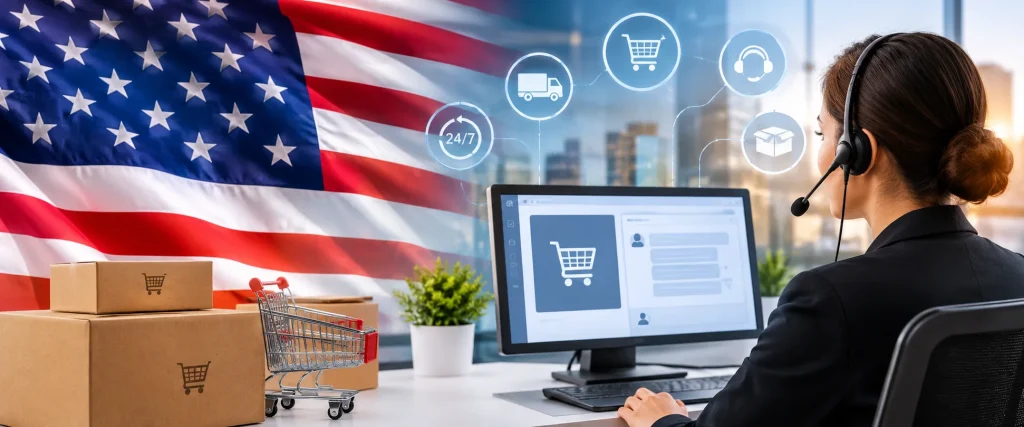





The way manufacturers sell is changing. Direct-to-consumer (DTC) is becoming the norm, and supply chains built for wholesale distribution were never designed for the demands of individual consumer support. For years, the push for the lowest possible cost per minute came at the expense of the customer experience. Now, as fragmented, low-quality support starts to erode brand trust, many global leaders are moving retail customer support back to the United States to protect their revenue and their reputation.
From Cost Center to Profit Center
For a US-based retail BPO, the job has changed. Support is no longer just a way to deflect complaints. It is a real driver of retention, loyalty, and market insight. Manufacturers in high-stakes categories now treat their support teams as central to the brand, especially in consumer electronics and appliances, apparel and fashion, and home improvement.
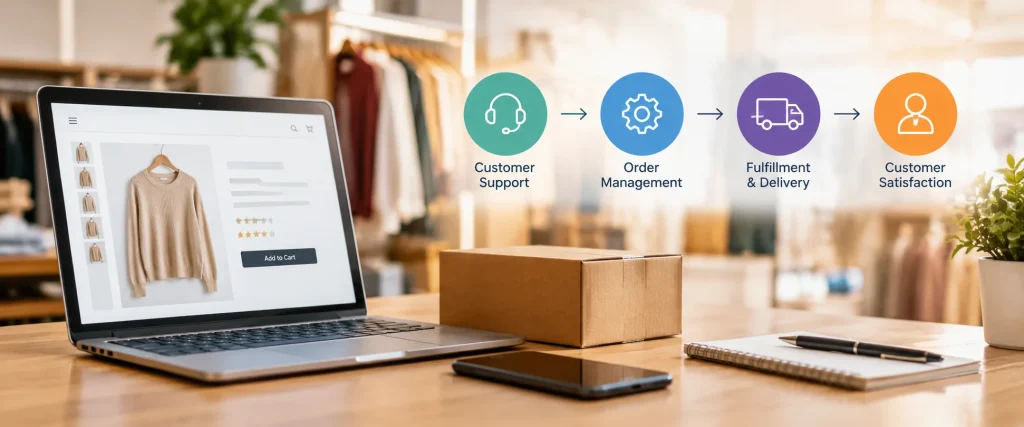
A customer calling about a complex installation, or handling a high-value apparel return, wants someone who understands the product and can actually help. That is why more brands are working to reduce churn by looking past raw efficiency metrics like Average Handle Time (AHT). They favor retail BPO services built around First Contact Resolution (FCR) and, where it fits, sales and upselling.
US-based teams can give agents the deep product knowledge that complex questions require, whether that means troubleshooting a smart-home device or guiding a customer through a major renovation. Handled well, a routine service call becomes a chance to add value and extend the customer’s lifetime value.
Compliance and Data Privacy as a Real Advantage
For global manufacturers, data privacy is no longer a legal checkbox. It is part of the trust customers place in the brand. With rules like GDPR, CCPA/CPRA, and India’s DPDPA in force, consumers pay attention to how their personal information is handled.
Keeping support in a US-based, tightly governed environment helps ensure that sensitive financial and personal data stays inside an audited infrastructure. This matters most for Consumer Packaged Goods (CPG) and electronics brands, which often need to meet ISO 27001 and SOC 2 Type II standards and avoid costly regulatory penalties.
Security should be built in from the start, not added later. Our vendor transition strategy covers how to do that during a migration. A compliant support setup protects manufacturers from the high cost of poorly governed data, and it signals to customers that privacy is taken seriously.
Staying Flexible When Demand Spikes
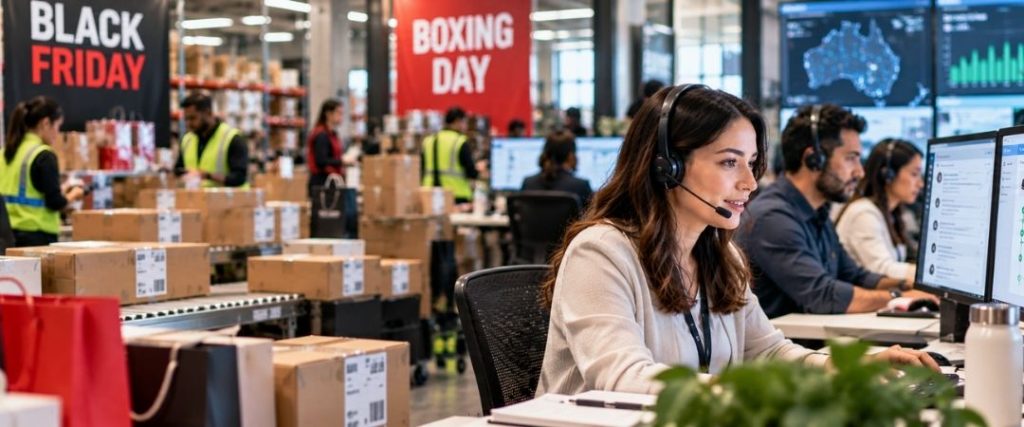
A strong US retail call center has to hold up under pressure. That flexibility is what protects margins during demand spikes, whether from a seasonal apparel rush or a surge in summer return volume.
To protect the bottom line, manufacturers increasingly lean on onshore surge capacity. That flexibility lets brands:
- Protect revenue: keep product catalog data accurate and current, which cuts canceled orders and out-of-stock friction.
- Stay ready year-round: use a global delivery network, including nearshore support in hubs like El Salvador and Morocco, for 24/7 coverage and peak-season readiness.
- Add technical depth: scale multilingual customer service and hybrid CX teams without losing the human judgment that technical troubleshooting needs.
Why Onshore Governance Wins
An onshore partner is easier to work with closely. Account managers can act as a real extension of your leadership, with the day-to-day access that offshore-only models often lack. That closeness matters for manufacturers running complex ecommerce catalog operations, where real-time coordination between support and the warehouse can prevent thousands of dollars in lost sales.
Transparency is central to how good governance works. AI-powered quality management gives manufacturers a clear, real-time view of their performance metrics and supports steady improvement. A strong partner does more than manage volume. It also finds ways to cut waste and smooth the customer journey.
Global Hubs for Regional Coverage
For manufacturers serving the EMEA market, a Morocco-based call center is a useful language gateway, connecting brands to French-, Spanish-, and Arabic-speaking customers. An El Salvador hub offers strong time-zone alignment and cultural proximity for real-time work with North American teams.
The goal is one consistent brand experience for every customer, whether the caller is in New York, Paris, or Mexico City. Using multilingual customer service across these hubs lets manufacturers scale internationally without building a separate support center in every region.
Specialized Support for Complex Categories
Generic support no longer works for specialized industries. A home improvement call center may handle everything from contractor scheduling to technical product advice, which takes far more training than standard retail. Agents in automotive aftermarket parts and appliances need real technical product support skills. That expertise reduces no-fault-found returns, which quietly erode manufacturer margins.
Vertical expertise pays off in higher FCR and CSAT. In cosmetics and beauty, empathetic support can reduce subscription churn and build advocacy, and loyalty program management can strengthen those results further.

Anchoring Global Growth
Choosing to run retail support from the United States sends a clear signal. It tells customers and stakeholders that you value trust and quality as much as the sale itself. With ServeRetail as your support partner, you move from simply solving problems to actively protecting margin in a secure, high-empathy environment.
For a closer look at how US-based brands are improving service, see The Great Reshoring: Elevating US-Based Retail Customer Service for Growth. And if seasonal planning is on your mind, U.S. Retail Holiday Customer Service Outsourcing: When Should Brands Start? covers the timing.
This connects to a related piece: The Digital Bastion: Defending the Moat with Premium Brand Protection Services.
Building a resilient foundation for global growth takes a partner that understands your specific manufacturing niche. ServeRetail brings the governance, vertical expertise, and flexible capacity to protect your brand. Contact us to talk through an operational review and the right next step for your support model.